Intro to Permguard
What is Permguard?
Permguard is a distributed authorization platform that combines governance and authority in a single system, built on Zero Trust principles.
- Governance — ZTAuth*-compliant policy-based authorization: who can do what on which resources
- Authority — PIC-compliant authority continuity: causal, origin-bound, monotonically restricted execution chains
Permguard can be used for governance alone, or composed with authority continuity for full PIC enforcement.
Three Planes
Permguard is organized around three planes, each with a distinct responsibility:
| Plane | Responsibility | What it does |
|---|---|---|
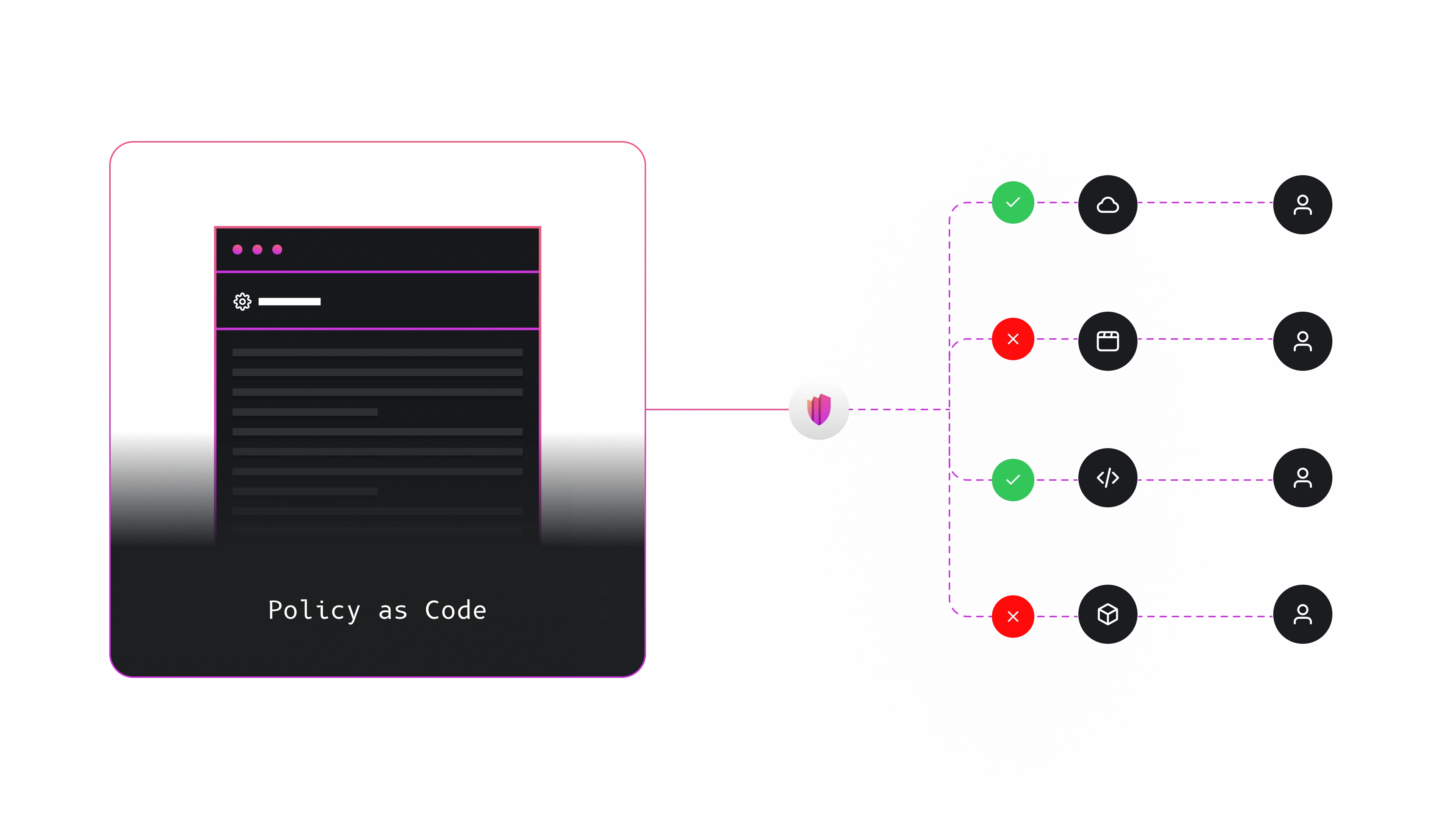
| Control Plane | Configuration | Manages, versions, and distributes policies and configurations |
| Data Plane | Policy decisions | Evaluates permit/deny locally at the workload boundary |
| Trust Plane | Authority continuity | Enforces PIC invariants: origin immutability, monotonic restriction, causal binding |
The Data Plane handles governance. The Trust Plane handles authority.
- Governance decides what is currently permitted
- Authority ensures execution is a valid continuation from the origin
When composed, governance becomes an inherently authority-reducing layer — it can restrict, never expand authority.
What Permguard Enforces
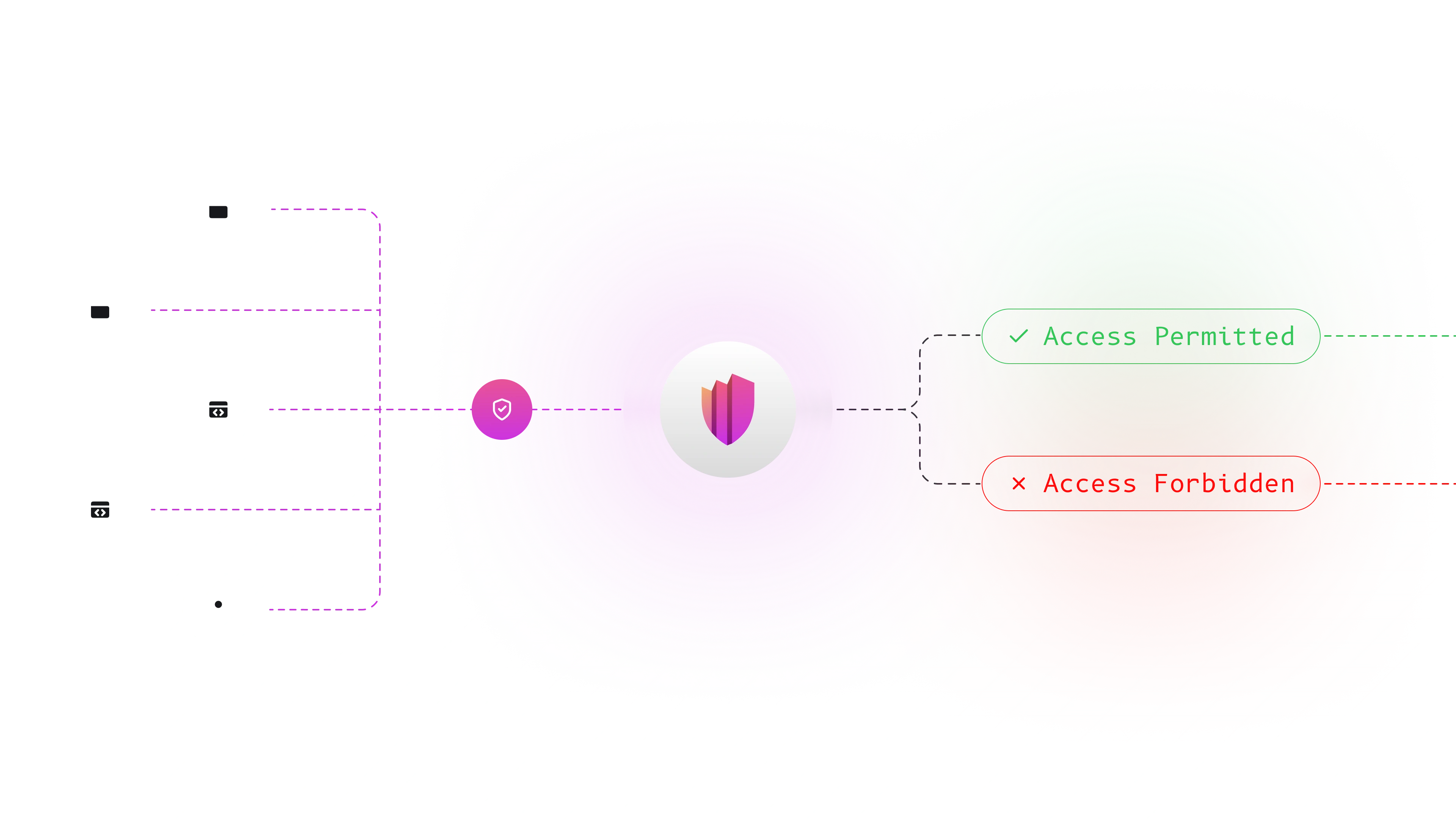
Every incoming request must be validated before the application processes it.
This applies uniformly across all interaction types — synchronous APIs, asynchronous messages, event streams, WebSocket frames, and cross-service calls — ensuring consistent enforcement at both the network layer and the application layer.
Beyond the input boundary, Permguard also governs in-code authorization policies, allowing applications to perform fine-grained checks at critical points:
- before calling a domain service
- before executing a sensitive command
- before accessing or mutating data
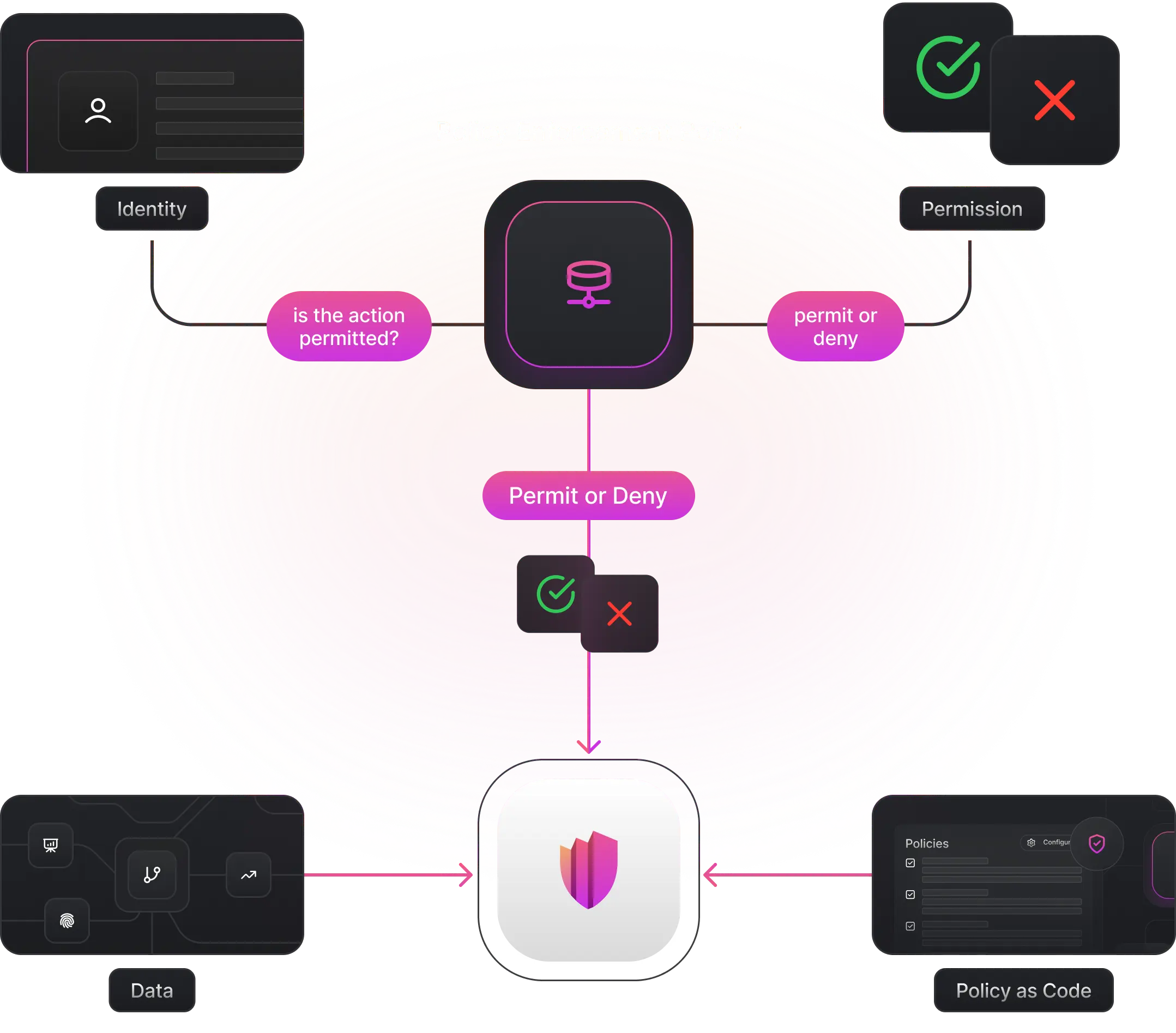
Authorization remains:
- governed in intent — rules are collaboratively reviewed, versioned, and managed
- decentralized in enforcement — decisions occur close to where actions happen
- auditable and explainable — full end-to-end visibility across the authorization path
Centralized Interface, Evolving Toward Decentralized Consensus
Policies are accessed through a unified control-plane interface, but this does not imply a centralized trust model.
- The current implementation runs through a single, centralized access point for operational simplicity.
- However, the underlying architecture and algorithms are already designed to be extended with decentralized consensus behind that interface.
Enforcement remains fully distributed, while the control-plane provides a consistent place to define, review, update, and audit policies — even as the system evolves toward decentralized trust models.
Permguard offers strong Zero Trust governance with a simple integration path — define authorization intent once and enforce it everywhere.
Bring Your Own Identity (BYOI)
Permguard is identity-agnostic on the authentication side.
It follows a Bring Your Own Identity (BYOI) approach.
The main goal of Permguard is to provide strong authorization governance, not authentication. Identity establishes the origin of authority — Permguard governs what that authority permits.
Where Authorization Runs
Authorization can be triggered by either:
-
Network Layer e.g., service mesh, sidecar proxy, gateway, or edge component.
-
Application Layer via SDKs or native APIs.
In both cases, the request is always evaluated before performing any action.
The data-plane receives the full request context (identities, attestations, network metadata, application attributes) and evaluates it locally using policies obtained from the control-plane.
- The control-plane manages and distributes policies
- The data-plane enforces permit/deny decisions at the workload boundary
- The trust-plane validates authority continuity (PIC invariants)
This creates a consistent and decentralized Zero Trust model for both synchronous and asynchronous workflows.
Designed for cloud-native, edge, and multi-tenant environments, Permguard enables updating policies without changing application code.
Policy Languages
Permguard is language-agnostic and supports multiple policy languages, starting with Cedar:
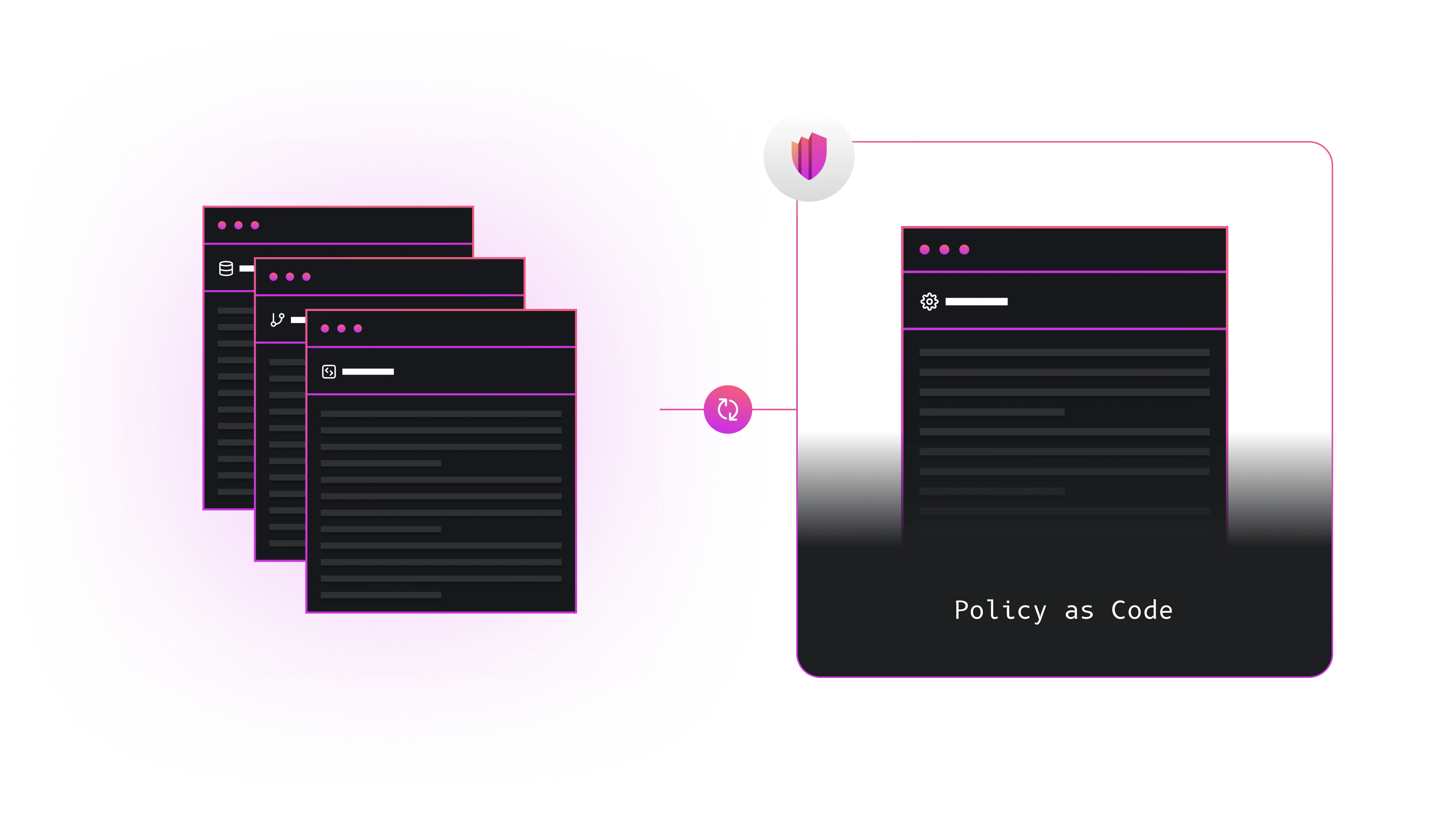
Each language is implemented through a thin abstraction layer that keeps the core model stable while requiring only a minimal common keyword set.
Deployment Flexibility
Permguard can run in:
on-premises,private, orpubliccloud environmentsKubernetesandserverlessplatformsedgeandIoTecosystems, includingpartially connectedordisconnectedscenarios
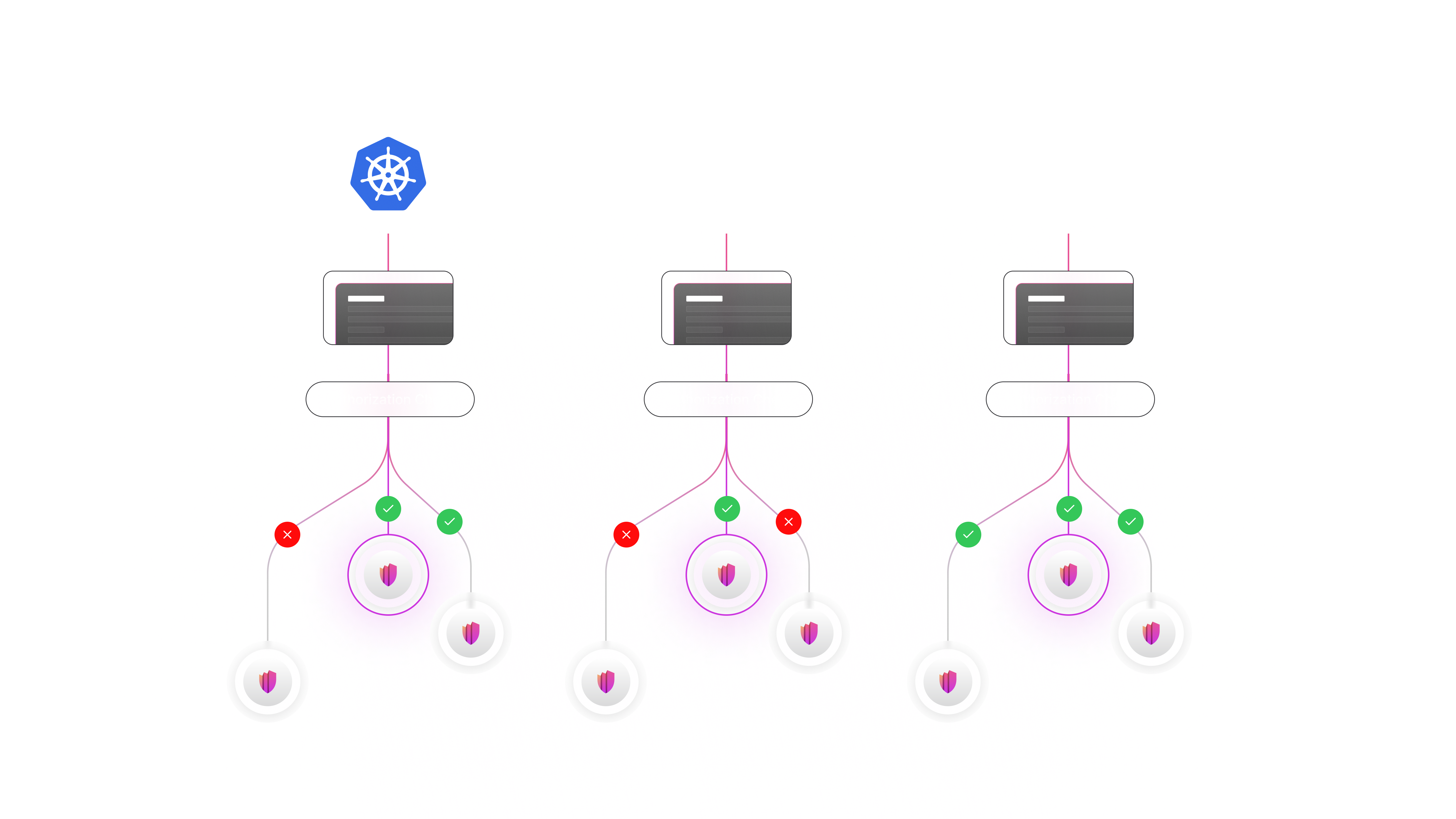
The architecture consists of three main components:
-
Control PlaneManages, versions, and distributes policies and configuration. Must be reachable at the network level. Can run onedgecomponents or distributed infrastructure. -
Data PlanesEnforce permit/deny decisions locally. Can be deployed anywhere — inside applications, gateways, edge devices, remote regions, or disconnected environments. -
Trust PlaneValidates PIC authority continuity: origin immutability, monotonic restriction, and causal binding. Can be embedded, sidecar, or centralized depending on the deployment model.
Integrating with Permguard
Applications can enforce authorization using:
- the official SDKs, or
- Permguard's native APIs